
Mastermind: Taylor Swift’s Color-Coded Marketing Empire
Marketing Strategy
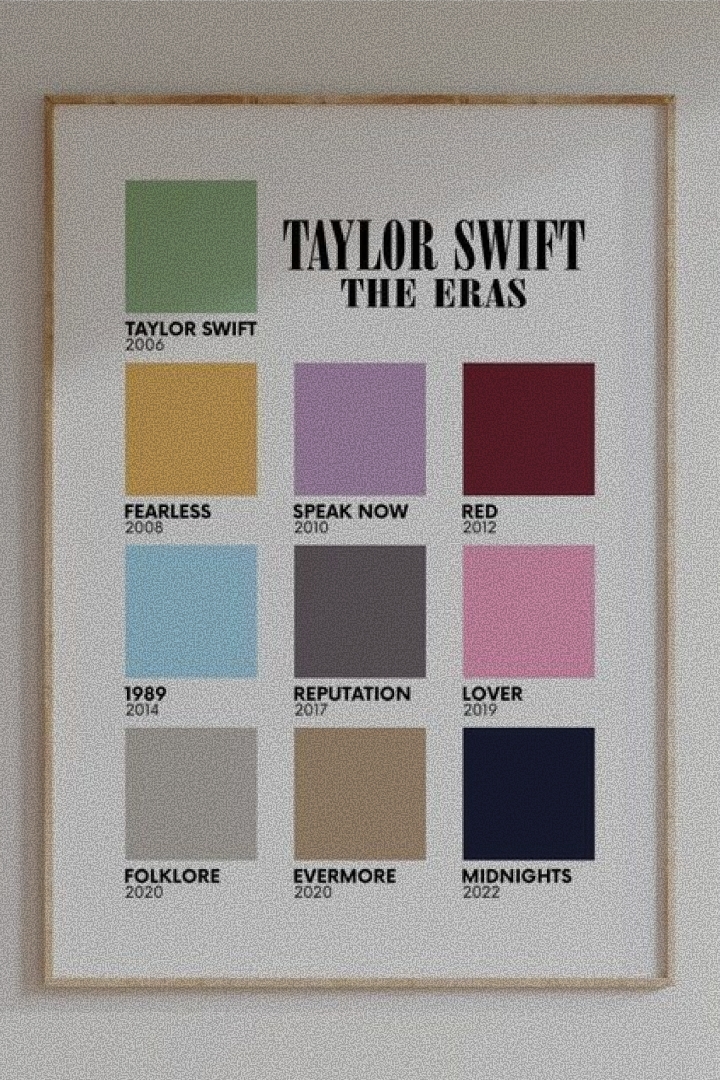
Mastermind: Taylor Swift’s Color-Coded Marketing Empire
How can an album announcement—before even the title or cover art has been revealed—
influence the advertising strategies of global brands? Why do brands align their social media
messages, color palettes, and campaign schedules with an artist
even before a single song has been released?
The answer lies in a name: Taylor Swift.
She is not just a singer, global superstar, entertainer, songwriter, or talented music video
director; she is one of the greatest marketing strategists of the modern era. Swift frames the
release of an album not merely as a “music sale,” but as an interactive “experience” and “economic phenomenon” involving millions of people.
In recent months, Taylor Swift announced her 12th
studio album on Travis and Jason Kelce’s ‘New Heights’ podcast, and despite not sharing any technical details
about the album, she managed to instantly energize the global market. The bright orange theme,
apparently belonging to this new era, began appearing in global brands’
digital campaigns immediately following the announcement.
Following the announcement of the “The Life of a Showgirl” album, many global brands
adapted to this color trend by updating their advertising visuals and messaging to align with this theme. So,
is this the first time Taylor Swift has done this?
The answer is a resounding no.
Swift placed marketing at the center of her career strategy in the entertainment industry many years
ago. Having reached an entirely new peak in her popularity with “The Eras Tour”—the highest-grossing tour of all time—
and named “Person of the Year” by TIME magazine in 2023,
Person of the Year in 2023, had also sparked a similar
marketing frenzy when she released the Red (Taylor’s Version) album. Looking back at 2021, brands were turning their logos red,
featuring lyrics from the Red album in their social media content, and
adding the “(Taylor’s Version)” tag in parentheses next to their names. Starbucks took this
process a step further by adding Taylor Swift’s favorite order, the “Grande Caramel Nonfat
Latte,” [2] to its menu as a seasonal item under a special name.
This was the most concrete example of how an artist can brand themselves not just in the ears, but also in the sense of taste.
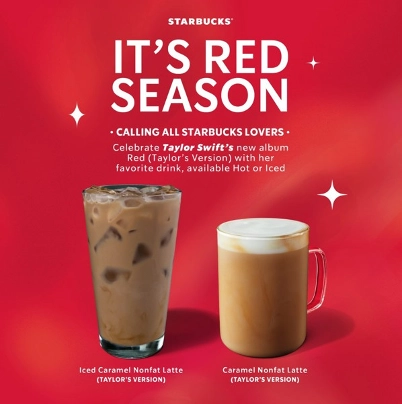
Starbucks and Taylor Swift Collaboration
The secret to Taylor Swift’s success lies in her ability to transform her audience from passive listeners into
“detectives” who track every detail. Through her “Easter Egg” (hidden clues) strategy,
she harnesses the “economy of curiosity” to intensify competition among brands. From Starbucks to Google,
many major brands are trying to become part of the mysterious world Swift has created. Because
being part of Swift’s world means gaining direct access to one of the world’s most loyal and active communities(the Swifties).
Known in the marketing world as “Trendjacking,” this trend—which has turned into a major spectacle
with Swift’s new album announcement—is influencing dozens of brands on a global scale, including FedEx, McDonald’s,
MAC Cosmetics, United Airlines, Spotify, Dunkin’ Donuts, Duolingo, Netflix,
YouTube, Rolling Stone, FOX, Walmart, Toys“R”Us, Broadway, Texas
Longhorns, and Cheetos, among dozens of other brands, to join this new album era
by transforming their logos and posts on social media platforms
into bright orange.
This trend wasn’t limited to global giants; the Turkish market responded with similar
agility. In Turkey, brands like Dimes and Tavuk
Dünyası. The fact that these brands adapted so quickly to Swift’s visual world is an indication that local
marketers are now placing the reality of “Swiftnomics” (the Swift economy) at the center of their
strategies.
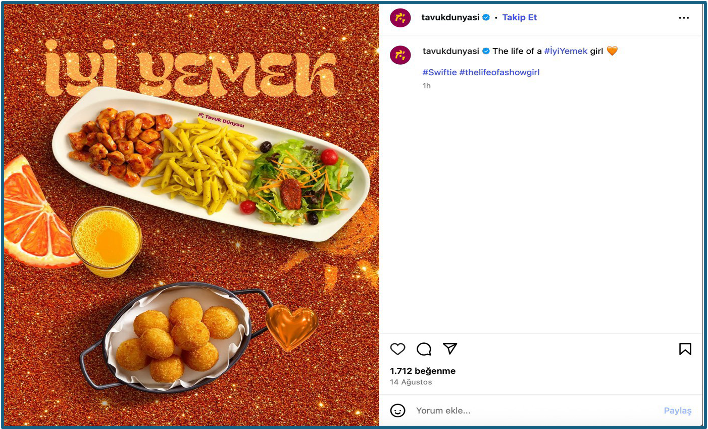
TavukDünyası’s “TLOASG” ad, 2025
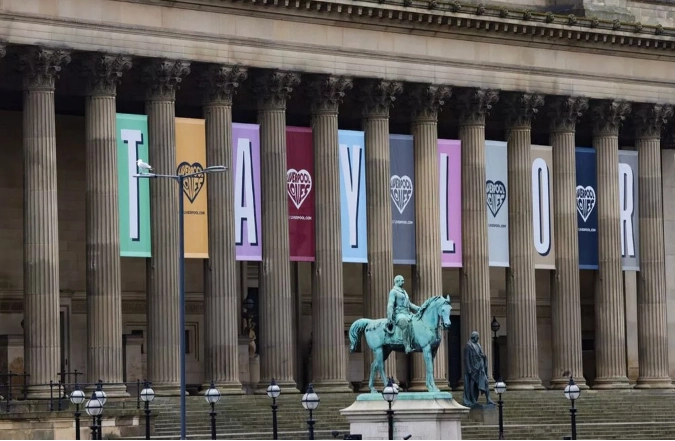
The influence of this marketing genius isn’t limited to commercial brands; even entire cities
are competing to be part of Taylor Swift’s “Swifties.” This phenomenon, known in economic literature as “The Swift
Lift,” has gone beyond tourism to become a form of city marketing.
Glendale, Arizona, one of the cities visited by the Eras Tour, temporarily
renamed itself “Swift City” during concert week. Minneapolis, meanwhile, renamed itself “Swiftie-apolis” and
adapted all of the city’s signs to this marketing language. The famous Christ the Redeemer
Statue in Rio de Janeiro was illuminated with a lighting display reminiscent of the iconic T-shirt
from Swift’s “You Belong With Me” music video, following fan requests and a strategic decision by local authorities. This impact,
which even made its way into Federal Reserve reports, was felt across every aspect—from hotel occupancy rates to
the themed merchandise sold by local merchants.

Rio de Janeiro, Christ the Redeemer Statue
So what do Taylor Swift’s “eras” offer brands and cities beyond engagement?
First, let’s note that the vast majority of these ads are not part of official
partnerships, as in the Starbucks example. When brands participate in Swift’s “The Eras Tour” or new album themes—
such phenomena—they can directly demonstrate to consumers that they remain culturally relevant
and are keeping up with trends.
At the same time, thanks to a massive fan base that spans a wide range of demographics—including Gen Z, women, men, LGBTQI+ individuals, young adults, white-collar workers,
and even those with differing political views [3][4]—brands are able to forge a much more natural connection with consumers. Through this strategy,
brands are shedding their cold, corporate structures and, by tapping into the massive pool of engagement,
are securing their share of it, thereby becoming seen as part of the community in the eyes of the public.
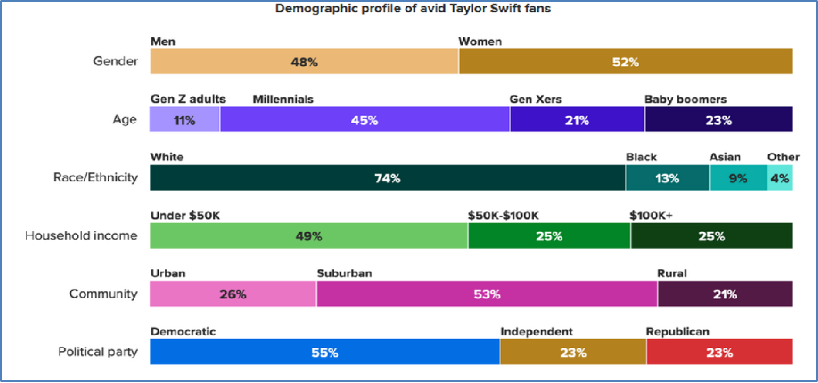
The demographic breakdown of Taylor Swift's listeners
What about other celebrities?
Is Taylor Swift the only one using this marketing strategy?
Of course not.
However, there are some fundamental differences that make Swift more successful than anyone else in this race.
According to Melissa Houston of Forbes [7], the foundation of this success lies in Swift’s
sensitivity to feedback. Whether in her music or in advertising projects featuring her branded name,
she always takes fan comments and crowd psychology into account. By sprinkling “easter eggs”—hints about her next album dating back
years—into the interviews she gives, her red carpet outfits, or her social media posts, she transforms
album launches into an interactive and collective communication network, forming the building
blocks of this interactive communication. Additionally, by sparking curiosity and a sense of belonging while creating mystery,
she achieves one of marketing’s primary goals: fostering a sense of belonging
in the consumer. Fans form a stronger bond with Swift through the thrill of predicting
her next move and the feeling of being part of an exclusive community.
As a result, Swift isn’t just marketing her songs—she’s marketing an endless story. The
millions of people who want to be part of this story transform every release from a routine commercial
event into a major global cultural phenomenon.
Öykü Şen
Deeper Strategy
REFERENCES
1. https://en.wikipedia.org/wiki/The_Eras_Tour
2. https://people.con/food/taylor-swift-starbucks-red-taylors-version/
3. https://www.reddit.con/r/TaylorSwift/connents/11u7gz5/taylor_swift_avid_fan_ denographics_according_to_a/
4. https://en.wikipedia.org/wiki/Swifties#:~:text=Racially%2C%20the%2074%25%2 0of%20the,and%2011%25%20are%20Generation%20Z.
5. https://tine.con/7309009/taylor-swift-the-life-of-a-showgirl-new-albun- announcenent/
6. https://www.facebook.con/groups/2254218764714763/posts/37180416516657 93/
7. https://www-forbes-con.translate.goog/sites/nelissahouston/2024/05/15/how- taylor-swifts-narketing-genius-can-inspire-your-business- strategy/?_x_tr_sl=enC_x_tr_tl=trC_x_tr_hl=trC_x_tr_pto=tcC_x_tr_hist=true
8. strategy/?_x_tr_sl=enC_x_tr_tl=trC_x_tr_hl=trC_x_tr_pto=tcC_x_tr_hist=true
9. https://www-ungc-edu.translate.goog/blog/narketing-taylors- version?_x_tr_sl=enC_x_tr_tl=trC_x_tr_hl=trC_x_tr_pto=tc